Water Quality Monitoring

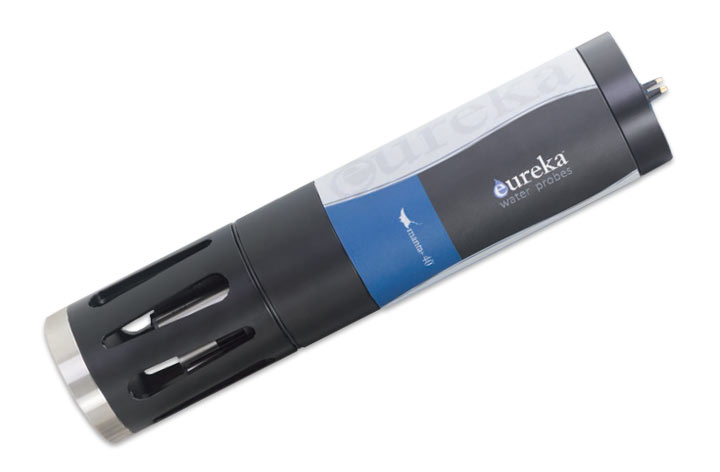
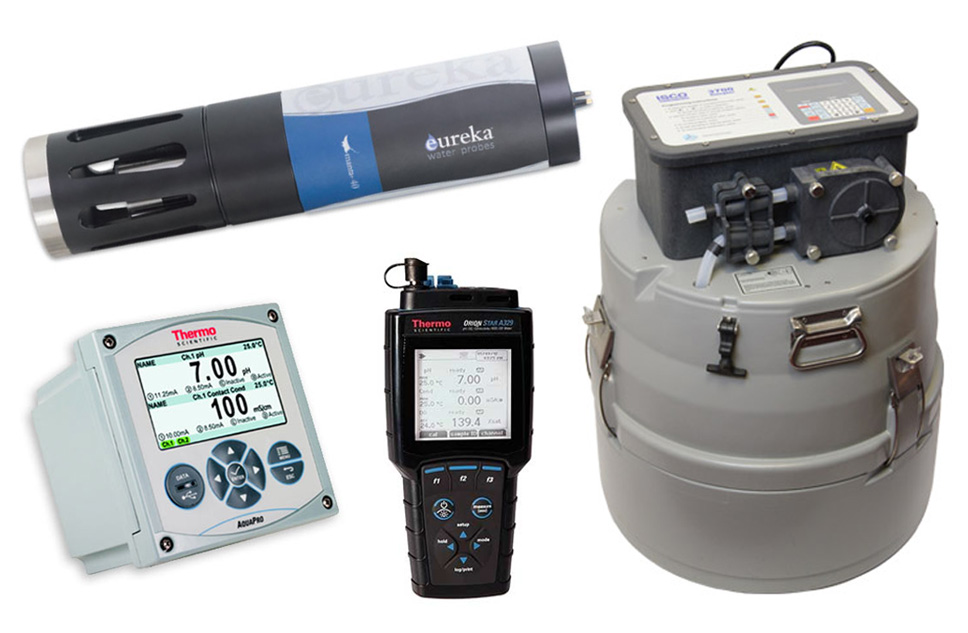
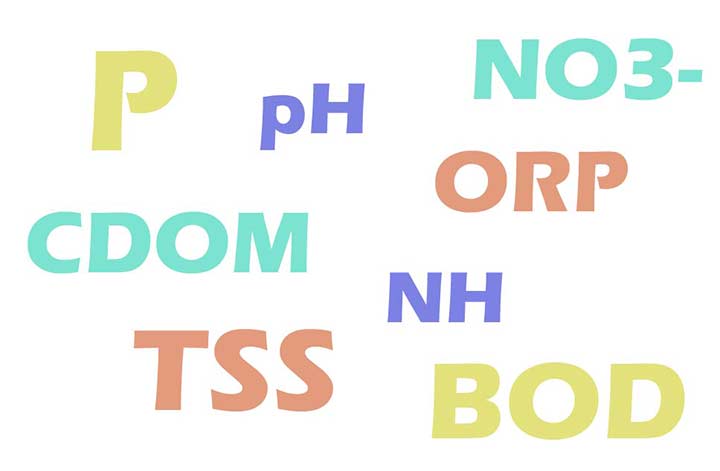
RS Hydro supply, hire, calibrate and maintain a wide range of water quality monitoring equipment. Whether you need to measure one parameter or many, we can provide the perfect solution for your application.
Battery Operated Electromagnetic Flow Meters
RS Hydro supply a wide range of water samplers including portable, refrigerated, portable refrigerated, specialty samplers, and intrinsically safe, explosion proof samplers for use in hazardous environments. We also supply Plug and play modules to extend a sampler's functionality and sampler accessories.
In-Situ Troll 9500 Multiparameter Water Quality Monitor Sonde
Aqua Troll 200 - Measures Conductivity, Level / Pressure and temperature Aqua Troll 200

INW CT2X

Instrumentation Northwest have established a reputation over the last 25 years for providing accurate, robust and reliable instruments for monitoring level and water quality, and the CT2X has all of the attributes you'd expect from an INW instrument. It's a conductivity and temperature sensor (with a pressure option) and comes in either a 316 stainless steel, viton or teflon housing.

This submersible sensor Incorporates a 4-pole epoxy/graphite electrode cell and is ideal for use in rugged field conditions. The CT2X also has linear and non-linear temperature compensation features which add flexibility. Specific linear temperature coefficients can be entered to match the material being sampled. For natural waters, which don't have linear temperature coefficients, a non-linear natural water mode is available which meets DIN EN 27888 standards.

An RS485 interface allows for easy networking with other INW sensors or telemetry systems.

About Water Quality Monitoring

Water Quality Monitoring is defined by the ISO as "The programmed process of sampling, measurement and subsequent recording or signalling, or both, of various water characteristics, often with the aim of assessing conformity to specified objectives". These processes will usually fall into one or more of the following four categories:

  • Identifying changes or trends in water quality over a period of time.
  • Identifying specific water quality problems.
  • Collecting data to aid with the design of pollution prevention systems.
  • Determining whether water quality is in compliance with regulations and controls.