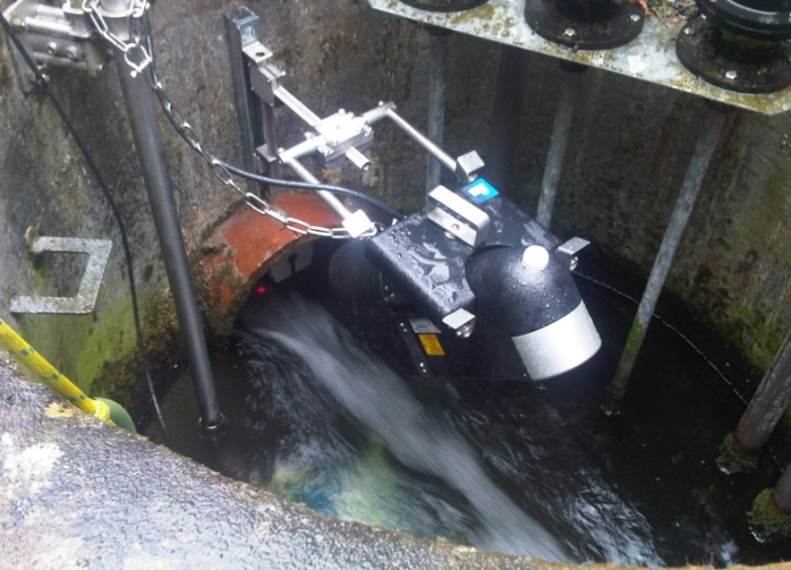
Weirs & Flumes
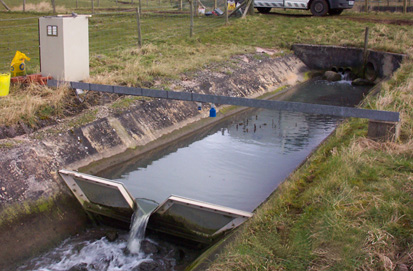
A third way of measuring of measuring open channel flow applications, and historically the most common, is the use of weirs and flumes. All manner of primary structures have been used the world over including v-notches, rectangular weirs, Parshall flumes, H-flumes, crump weirs, flat-v and many other hybrid versions. All of these require a level sensor to measure the hydrostatic head to to effect the rating equation within the flow meter to produce a flow rate. For most level to flow applications, ultrasonic technology is
the best choice. Because it's non-contacting, it avoids the corrosion,
material build-up, and general wear and tear associated with contacting
devices. Higher maintenance costs and repairs associated with contacting
devices can easily exceed any initial savings. However, weirs and flumes do not last forever and require routine maintenance. A word of caution, repair and downtime costs of medium to large structures can be enormous. Hence the shift to retro-fit non contact flow meters is becoming the new standard.
Most industries now pay for the volume of water consumed or materials
discharged into the environment. In many jurisdictions, environmental
regulations such as EPR or MCERTS now require strict reporting of all
discharges, with accompanying fines or penalties. When plants implement
steps to reduce pollution and discharges, they need an effective way to
measure their progress. At one time, the only alternative was magmeters
which are expensive and not always practical for many open channel
installations.
Today, accurate measurement of river and stream flow monitoring is
simple and cost-effective with an ultrasonic open channel flowmeter.
Combined with an ultrasonic transducer, it monitors flow and provides
data you can use for rainfall/storm water studies, inflow/ infiltration
studies and sewer system evaluations.
Good examples of open channel flowmeters are the LUT400 and HydroRanger Series from Siemens Milltronics and the LaserFlow from ISCO which provide good accuracy and reliability.










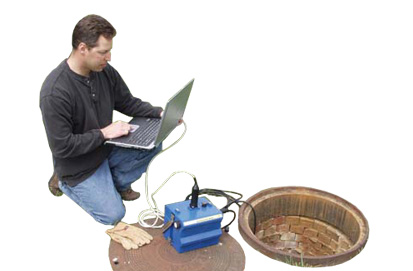
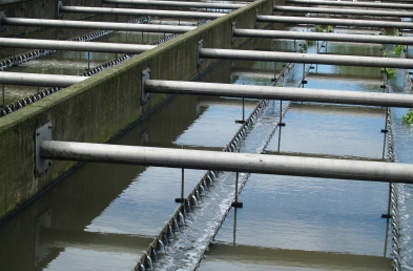
 ssure sensor or shaft encoder. Alternatively it is possible to install flow sensors in the channel or stream itself. These are know as area velocity flowmeters and measure level and velocity together to compute flows. The ISCO 2150 & Signature are probably the most widely used area velocity flow meters worldwide. The